a must-read Interview
About
This interview was written by No Milk 2 Day.
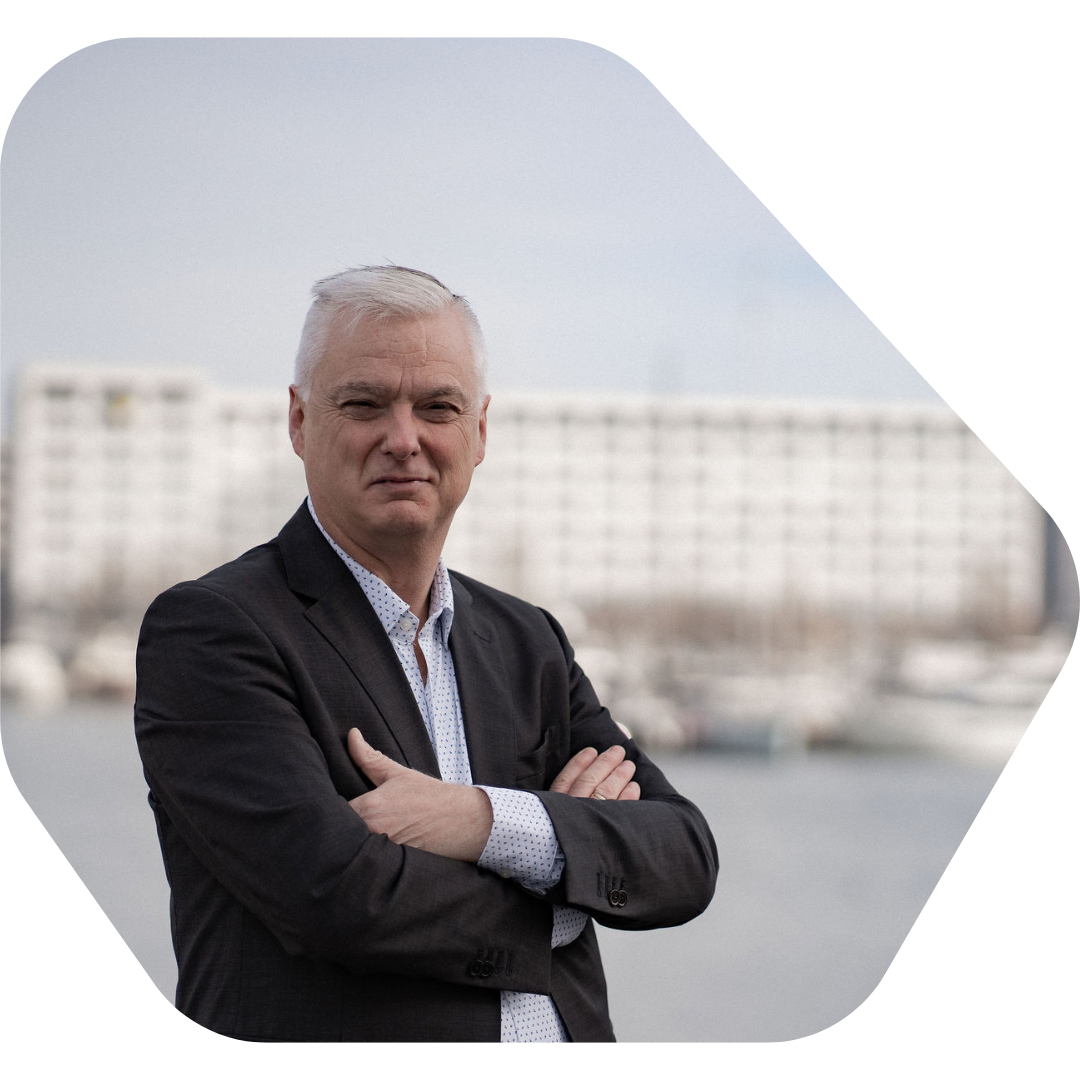
Although it was a bit of a leap of faith, Daniël Servaas is still happy with his choice to opt for Supply Chain Interim Management. What is the strength of this all-around Supply Chain Manager? Projects where improvements need to be made and supporting and building businesses. Preferably starting from scratch.
‘Bringing rapid improvement through broad experience’
When Daniel returned to applying for jobs in 2017 after a one-year sabbatical, one of the things he received were temporary offers. “At first I thought; what should I do with assignments of a few months? With the necessary skepticism, I put my light on other interim freelance managers. Then I decided to go for it too.”
What sat the doubt?
“I believe that a Supply Chain Interim Manager should have a lot of baggage, be able to change gears quickly and assess what is involved in a particular assignment, and be able to tackle it energetically. I was not 100 percent sure if I had all that in me at the time because I could not measure it against myself. It was somewhere a leap of faith, but on day two I knew it was going to work and that I had made the right choice. I have a very broad experience that I can draw from and am strong enough to get information to me if I don’t know something for once.”
What was your first assignment?
“In December 2017, I started at Sanofi as Head of Supply Chain & Customer Service Benelux. I was responsible for the Customer Service and Supply Chain from production to delivery to end customers for two offices, Brussels and Gouda. What I brought is the optimization of the Customer Service and Supply Chain processes with a strong focus on stakeholders and a more efficient design of the organizational structure. Since then I have been deployed mainly for temporary assignments in the food and pharma sector, but I do not see this as a limiting factor; Supply Chain remains Supply Chain within each sector.”
You are Supply Chain Manager. What is your specialty?
“If you ask what my specialty is, first you get a big fat duh because my profile is pretty broad. So I’ve done production planning, organized cycles, and forecasts, set up master data setups, put out long-term plans and visions, and a lot of logistics operations. In short, a lot of end-to-end experience. In addition, I have been involved, so far, four times in structuring and implementing SAP. What I prefer to focus on is the whole S&OP structure and organization. What is possible in the supply chain, what is needed when launching a new product or rationalizations, and in addition, I like to be involved in the integration of different departments.”
Pretty broad, in other words. What is your strength?
“Projects where improvements need to be made. Preferably starting from scratch. I can understand and analyze processes. Taking a critical look at how the organization works and functions, and then making improvements. For example, I once did an assignment at a company where there was an ERP system, but it was not used or not used enough. Then you have to go back to basics and get employees to understand why it is there and how it should be used and also gain the understanding on why this have been the case. The important thing is that they know what is expected of them and guide them in that to take the right and required steps. I also like to secure and establish structures so that there is a foundation that can always be referred back to.
As a Supply Chain Interim Manager, you enter many companies. What do you notice then?
“Digitalization is increasing rapidly. The trick then is not to lose sight of reality and the interactions of the staff. Don’t just focus on the figures, keep in touch with reality. I also notice that sometimes far too little attention is paid to Supply Chain while this is the engine of every well-functioning organization.”
You work internationally. What differences do you see in your profession?
Supply Chain is Supply Chain. The basics remain the same, however complex it may and can be. The difference is in how demand and supply planning are viewed. I know situations where the forecast is leading the off-take without really looking at market trends or sales patterns and clear miss of a whole and complete S&OP structure. That can get you into trouble. Fortunately, markets are becoming more aware of their responsibility for inventory. Fascinating to think about that and create strategies for it.”
You are Belgian, but you also work a lot in Dutch business?
“True. From Antwerp, you’re in Breda in no time, but I’ve also worked further afield in the Netherlands. Especially with an overnight stay included, it’s easy to do. Besides, I like working with Dutch people. I appreciate the fact that they are more direct. Usually I can tell from the tone in which something is said how it is meant and otherwise I let it sink in for a while.” Recently I have also done an assignment in which I have spend many weeks in the USA and Mexico.
What kind of person are you? On LinkedIn I read strong manager, high energy, committed….
“Surely a strong manager is correct yes and I make sure I include everyone in the story. I always say to the teams I get to manage; I bear responsibility for this department and your functioning, but I need your interaction to achieve the goals. It will only be a success if you know how to create commitment and communicate well. And when necessary, I also dare to bite through.”
After just over six years as a Supply Chain Interim Manager, how do you look at it now?
“The nice thing about the broad experience is that you quickly see through and understand what companies can do better. And the flexibility you have is of course an advantage. For example, when an assignment ends you can take a month off and do nothing for a while.”
